Chronic pain, post-surgical discomfort, injury-related pain, and conditions like arthritis or nerve damage affect tens of millions of Americans every year. Managing pain effectively requires the right medication, the right dose, and medical supervision. Whether you are dealing with mild to moderate pain or more severe chronic conditions, understanding your options is the first step toward relief.
At MyOnlineMedShop, you can explore a wide range of pain relief pills with clear product information and physician guidance strongly recommended at every step. We serve customers across the United States with verified medications and discreet, secure delivery.
Common Types of Pain Relief Medications
OTC / Prescription
NSAIDs
Non-steroidal anti-inflammatory drugs such as ibuprofen and naproxen help relieve pain, reduce inflammation, and lower fever. Commonly used for muscle pain, arthritis, and headaches.
Prescription
Opioid Analgesics
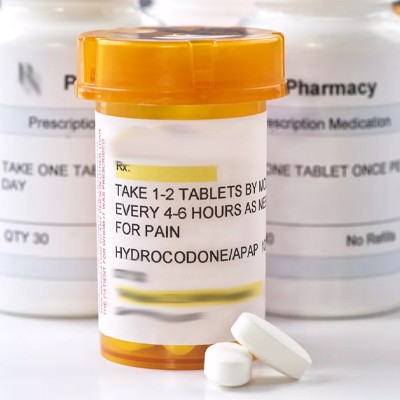
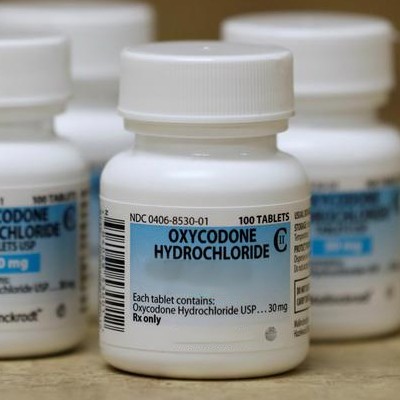
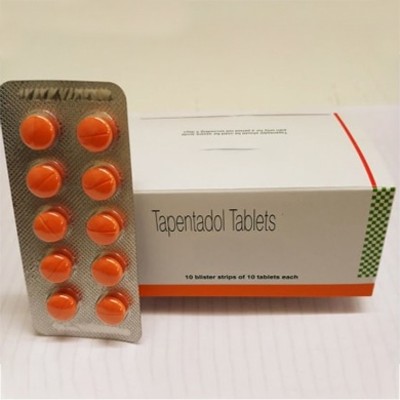
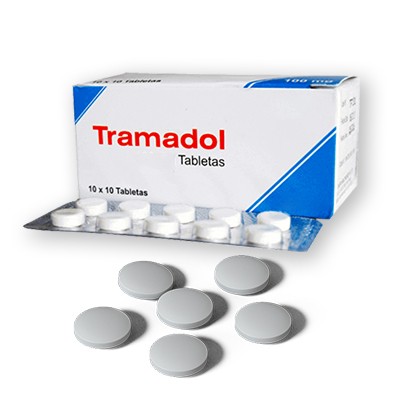
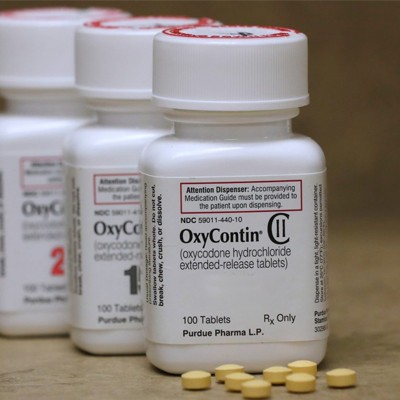
Medications like oxycodone, hydrocodone, and tramadol are prescribed for moderate to severe pain that does not respond to other treatments. These are Schedule II–IV controlled substances in the US.
OTC / Prescription
Acetaminophen
A widely used analgesic for mild to moderate pain and fever. Often recommended when NSAIDs are not suitable, such as for patients with stomach sensitivity or certain heart conditions.
Prescription
Muscle Relaxants
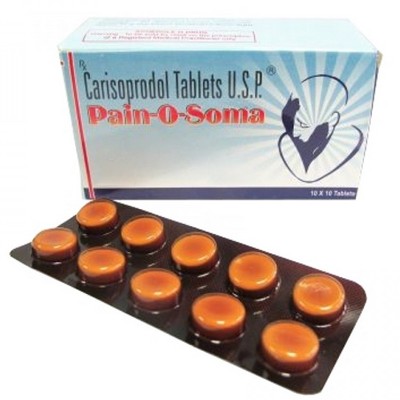
Used to treat muscle spasms and associated pain caused by injury or musculoskeletal conditions. Examples include cyclobenzaprine and methocarbamol.
Prescription
Neuropathic Pain Agents
Medications like gabapentin and pregabalin target nerve pain caused by conditions such as diabetic neuropathy, shingles, or fibromyalgia.
Prescription
Topical Analgesics
Creams, gels, and patches containing lidocaine, diclofenac, or capsaicin that are applied directly to the skin over the painful area for localized relief.
Frequently Asked Questions
It depends on the medication. Over-the-counter (OTC) options like ibuprofen, aspirin, and acetaminophen do not require a prescription. However, stronger opioid-based pain medications (e.g., oxycodone, hydrocodone, tramadol) are controlled substances under the DEA and require a valid prescription from a licensed US physician. Purchasing controlled substances without a prescription is illegal in the United States.
Acute pain medications are designed for short-term use — for example, following surgery, an injury, or a dental procedure. Chronic pain medications are used over longer periods to manage ongoing conditions such as arthritis, fibromyalgia, or back pain. Long-term use of strong analgesics should always be supervised by a healthcare provider to minimize risks such as dependency, tolerance, and side effects.
Opioid medications can be effective for managing severe pain when prescribed and monitored appropriately by a licensed physician. However, they carry significant risks including dependence, addiction, respiratory depression, and overdose, especially when misused or combined with other substances such as alcohol or benzodiazepines. Always follow your doctor's instructions exactly, never share medications, and store them securely away from children.
Drug interactions are a serious concern with pain medications. For example, NSAIDs can interact with blood thinners, while opioids can dangerously amplify the effects of sedatives, antidepressants, or alcohol. Always inform your doctor and pharmacist about every medication, supplement, or herbal product you are taking before starting any new pain reliever.
Side effects vary by medication type. NSAIDs may cause stomach irritation, increased blood pressure, or kidney stress with prolonged use. Opioids commonly cause constipation, drowsiness, nausea, and dizziness, and carry a risk of dependence. Acetaminophen can cause liver damage if taken in excessive doses or with alcohol. Report any unusual or severe symptoms to your doctor immediately.
Yes — physical therapy, chiropractic care, acupuncture, cognitive behavioral therapy (CBT), hot/cold therapy, and regular low-impact exercise have all been shown to help manage various types of pain. These approaches are often recommended alongside medication rather than as a replacement, especially for chronic pain conditions.
Store all medications in a cool, dry place away from direct sunlight and moisture. Keep them out of reach of children and pets. Do not store opioids or other controlled substances in easily accessible areas. Dispose of unused medications responsibly — the US FDA recommends using authorized drug take-back programs or following specific disposal instructions on the label.
Secure Checkout
Verified Medicines
Physician Guidance Recommended

Discreet US & Worldwide Shipping
Why Buy Pain Relief Pills From MyOnlineMedShop?
Verified & Genuine Medications
Every product listed is sourced from verified suppliers. We provide clear information about each medication, including usage, dosage, and safety guidelines.
Privacy & Discretion
All orders are shipped in discreet, unmarked packaging. Your personal and payment information is protected with end-to-end encryption.
US-Focused Customer Support
Our support team understands US prescription requirements and can guide you on documentation needed. We serve thousands of satisfied customers across all 50 states.
Medically Accurate Information
All content on our site is based on FDA guidelines, peer-reviewed medical literature, and verified clinical sources. We do not make exaggerated or unsubstantiated claims.
This page is for informational purposes only and does not constitute medical advice, diagnosis, or treatment. Always consult a licensed healthcare provider before purchasing or using any medication. Misuse of prescription pain medications is illegal and dangerous.